


MELBOURNE, Australia — The second Tuesday at the 2026 Australian Open is set to be one of the hottest days on record at the tournament, with temperatures predicted to reach as high as 114°F (or 46°C).
It’s been clear at this year’s event that the tournament’s heat policies—which can affect the outcomes of matches, as we saw in Jannik Sinner’s third round escape—are little-understood and often the source of under-informed conversation, controversy, and conspiracy theories.
So in order to clarify things, for both readers and myself, I was eager to learn as much as I could about them and pass on that knowledge to Bounces readers.
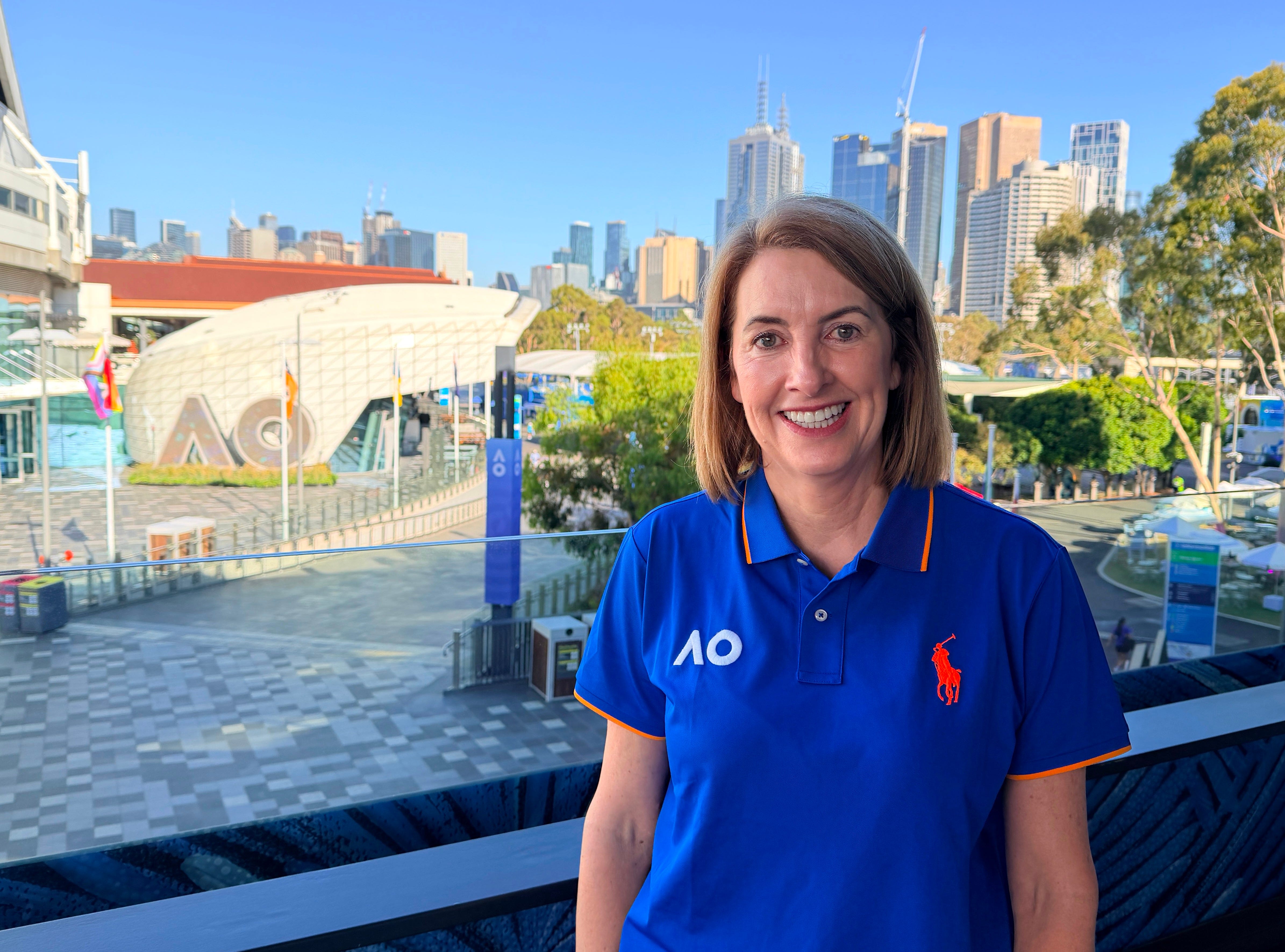
A few hours before play started on Tuesday, I was fortunate to get to speak at length with the person who knows most about the science and policy here: Carolyn Broderick, an associate professor at the University of New South Wales who has been the chief medical officer of Tennis Australia and the Australian Open since 2017.
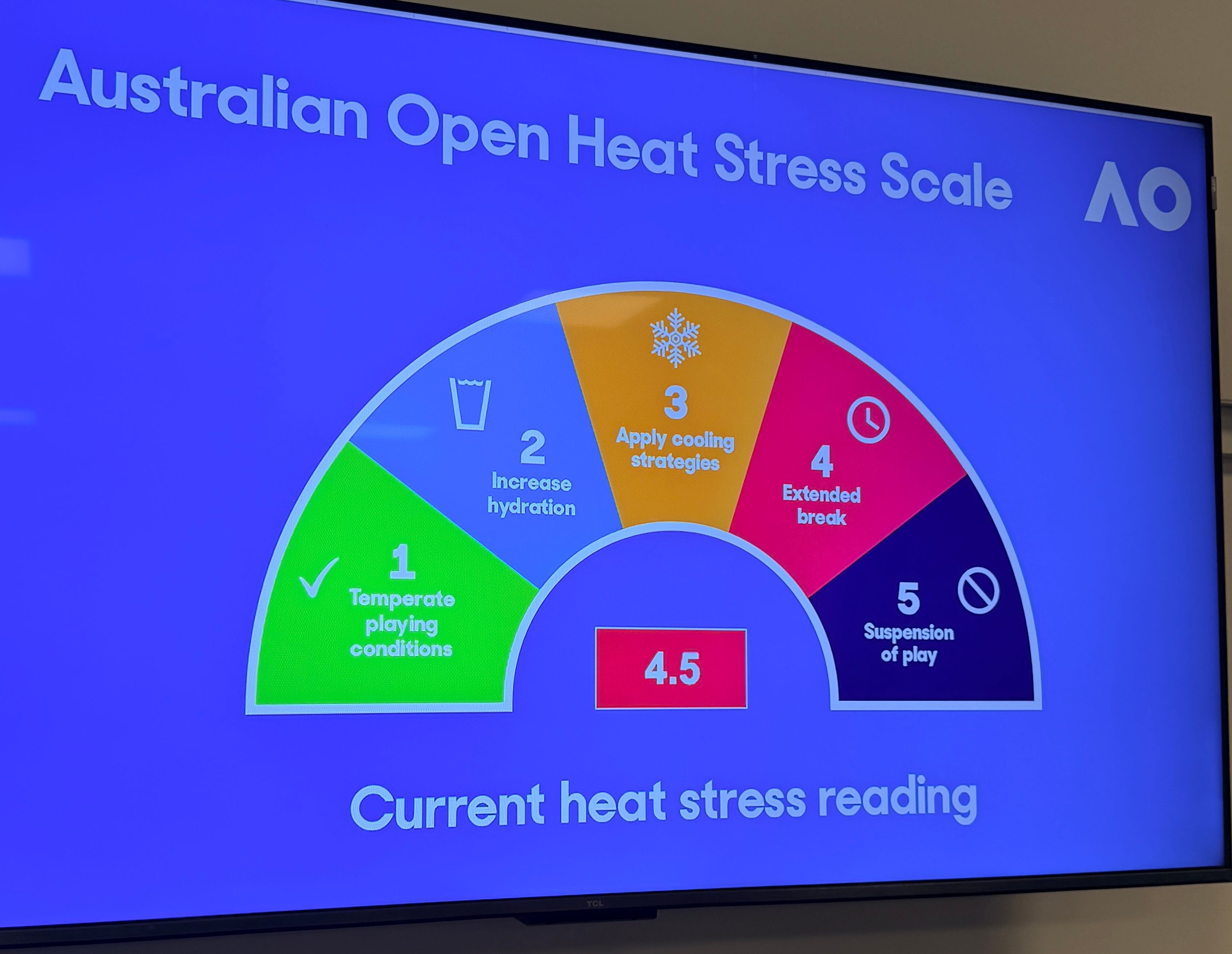
In hopes of elucidating and demystifying the tournament’s policies, Broderick and I discussed the science behind the rules, what the points on the 1.0-5.0 “Australian Open Heat Stress Scale” indicate, which factors make some players better suited for extreme heat than others, and related issues around transparency and competitive fairness.
If you are watching tennis on a hot day at the Australian Open—and certainly if you are writing or commentating about it—the content and context in this chat should prove essential.
To read the full interview, please subscribe to Bounces! -Ben