


MELBOURNE, Australia — The first moment of the 2026 season that stopped me in my tracks and had me hitting rewind wasn’t an amazing shot or rally; it actually happened during a changeover.
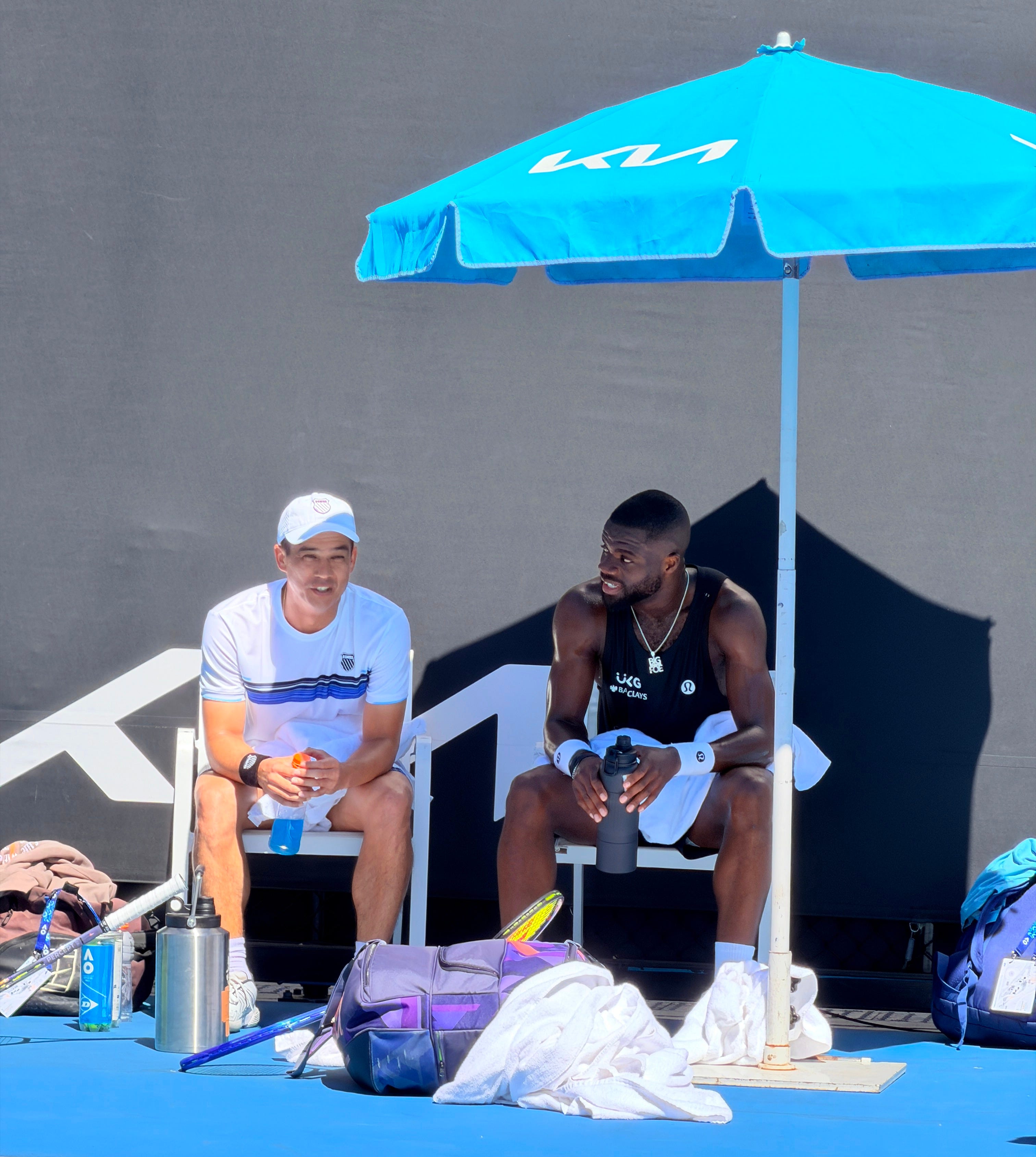
As he played in the second round of ATP 250 Brisbane against Daniil Medvedev, Frances Tiafoe was hydrating like no tennis player I’d ever seen hydrating before. This vessel was nothing like a normal water bottle—it looked bigger than his head, more like something you’d get coffee out of in the lobby of a Hampton Inn.
This urn, Tiafoe confirmed when we spoke at the Australian Open today, had been his tool of choice a few months ago as he attacked the viral “75 Hard” challenge—billed as a “transformative mental toughness program.” One of the five core components of the 75 Hard regimen is drinking a gallon of water each day.
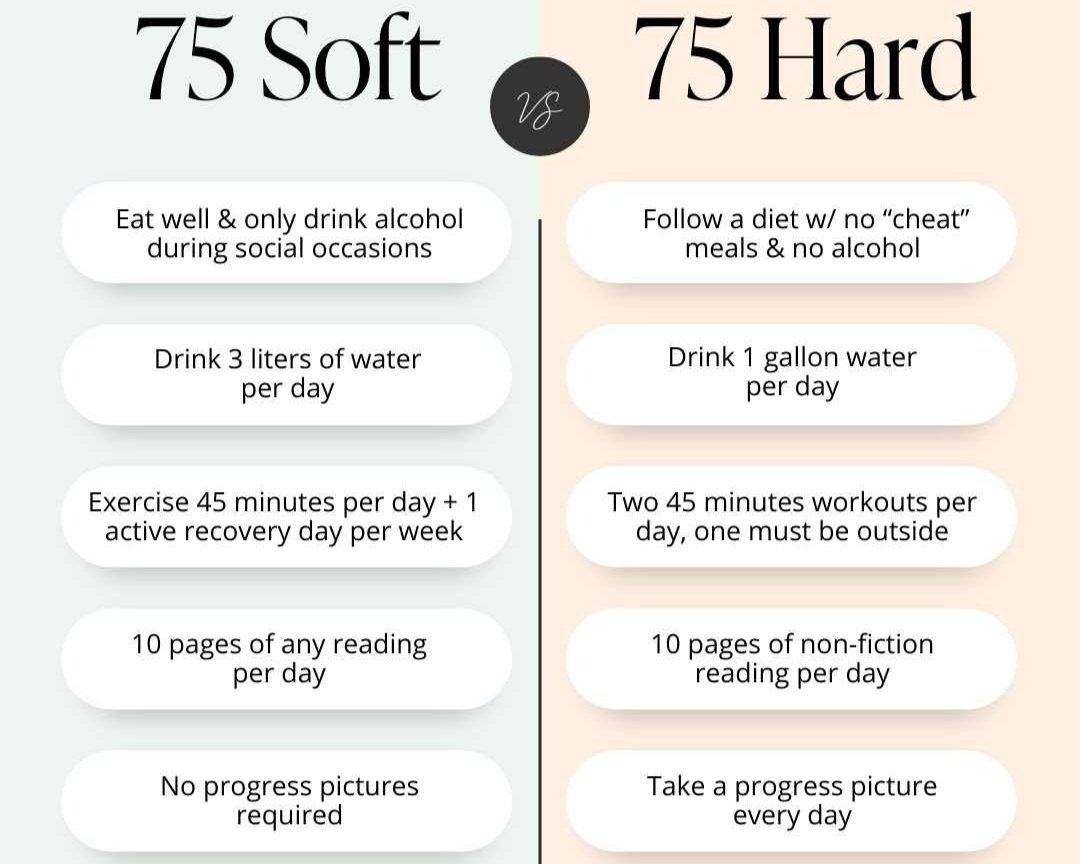
Tiafoe finished the 75-day quest “a while ago,” he told Bounces, but the canister lingers weightily among his equipment for sentimental reasons.
“I’ve got an emotional attachment to it now,” Tiafoe said.
Emotions of many kinds have been running strong in Tiafoe’s orbit in recent months. A loss to 144th-ranked qualifier Jan-Lennard Struff at the U.S. Open last September became the inflection point for Tiafoe not only to shake up his entire coaching team, but for the staging of a series of conversations with the backsliding 27-year-old that he describes like an intervention.
“It was the people closest to me, speaking at me in a very urgent manner,” Tiafoe said. “Like, ‘Alright, let’s hit the [panic] button, let’s figure this out’—in not-so-calming words.”
Those forceful words came from people including Tiafoe’s parents as well as his longtime girlfriend, Ayan Broomfield, and his agent Jill Smoller.
“Immediately after the U.S. Open I had a very serious conversation with my girlfriend and my two agents,” Tiafoe said. “It’s one of those things where you’re not really even saying anything; you’re just getting cooked and you’ve kind of got to take it. And don’t argue it, don’t try to fight it—that’s kind of what it was.”
The words were simple and blunt.
“It was very thorough and for a kid to understand—let’s just put it that way,” Tiafoe said. “It was like: you’re either doing it or you’re not, right? Let’s stop making excuses, stop doing this and that. You’re either doing it or you’re not—and it definitely hit home. Hence why I just kind of went dark: trying to figure out what that looked like. Now I’ve got a bunch of clarity and feel ready to go.”
Tiafoe played—poorly—at Davis Cup and a couple tournaments in Asia, but otherwise shut down his season to be able to process the crossroads his inner circle told him he was facing. This rescheduling included Tiafoe’s surprise withdrawal from Laver Cup, where he’s been a fixture.
“I had the funnest talk with [Laver Cup chief executive] Steve Zacks after that,” Tiafoe said, laughing. “But yeah, Laver Cup is incredible, man.”
Losing out on the lucrative exhibition event was a small price to pay, hopefully, for what Tiafoe hopes will be a lasting change in his career.
“From people that are closest to me—people that I know genuinely want the best for me—it hits me much harder,” Tiafoe said of the tough talk. And this is the first time I really did something about it. I was like, ‘OK, let’s really dive in and let’s see what happens.’
“And it’s going to be a continuing evaluation of this,” he said. “It’s not like just because I made a choice for a couple months that [snaps] things are going to happen. Can it? Sure. But if it doesn’t, I’m still going to stay on it. I’m still going to continue to find ways to be better, find ways to continue to push myself and be uncomfortable.”
Tiafoe, who turns 28 this week, said he’s still trying to find the right path to where he wants to go.
“I just have to figure out what I really want out of it,” he said. “You know, what really makes you tick, what’s really going to make you get up in the morning and want to do it, and do it the right way. The biggest thing is just the price of regret is far greater than the price of discipline; so that’s kind of just been my thing. I don’t want to look back and be like, if ‘I would have... I should have...’—I’m not trying to do that. I’ve had a lot of conversations about that, and that’s kind of what inspires me right now.”
I was struck, as Tiafoe described the harsh-but-helpful reckoning, by how seldom conversations like this seem to happen in tennis, even in careers that are clearly careening off track.
Here’s our exchange when I suggested that:
Ben Rothenberg, Bounces: I feel like it’s pretty rare for people to tell the truth to tennis players. I feel a lot of tennis players walk around in bubbles, with people not having tough conversations with them, just telling them that everything is OK all the time… Do you appreciate when people are willing to be straight with you, to be direct and not sugarcoat things? Because people are looking out for their jobs, looking out for meal tickets.
And sometimes in this sport, you get people who are sugarcoating everything all the time. So having direct conversations sounds like it would be a blessing and a rare kind of thing to get in this world.
Frances Tiafoe: Look, you said it, not me. And that’s, hence, why a lot of things are new and different for me right now—because of that thing, that very thing you just said.
It’s totally true. But the thing is, if you don’t do it, then the cycle will stay the same. Because we’re not going to get out of our own way—why would we? We’re making money, we’re playing across the world, people scream our names. We’re comfortable; why change?
But then people tell you, ‘OK, what you’re doing, it’s not going to work. If you want to keep doing this, this is the result. And if that’s what you’re going to live with, and are going to be comfortable with, then OK—we’ll stop talking. But if you’re trying to go to The Moon, this right here is not it.
Ben Rothenberg, Bounces: And you’re trying to go to The Moon?
Frances Tiafoe: Hell yeah!
The Man of Science
Perhaps fittingly for a moon mission, Tiafoe enlisted a scientist.
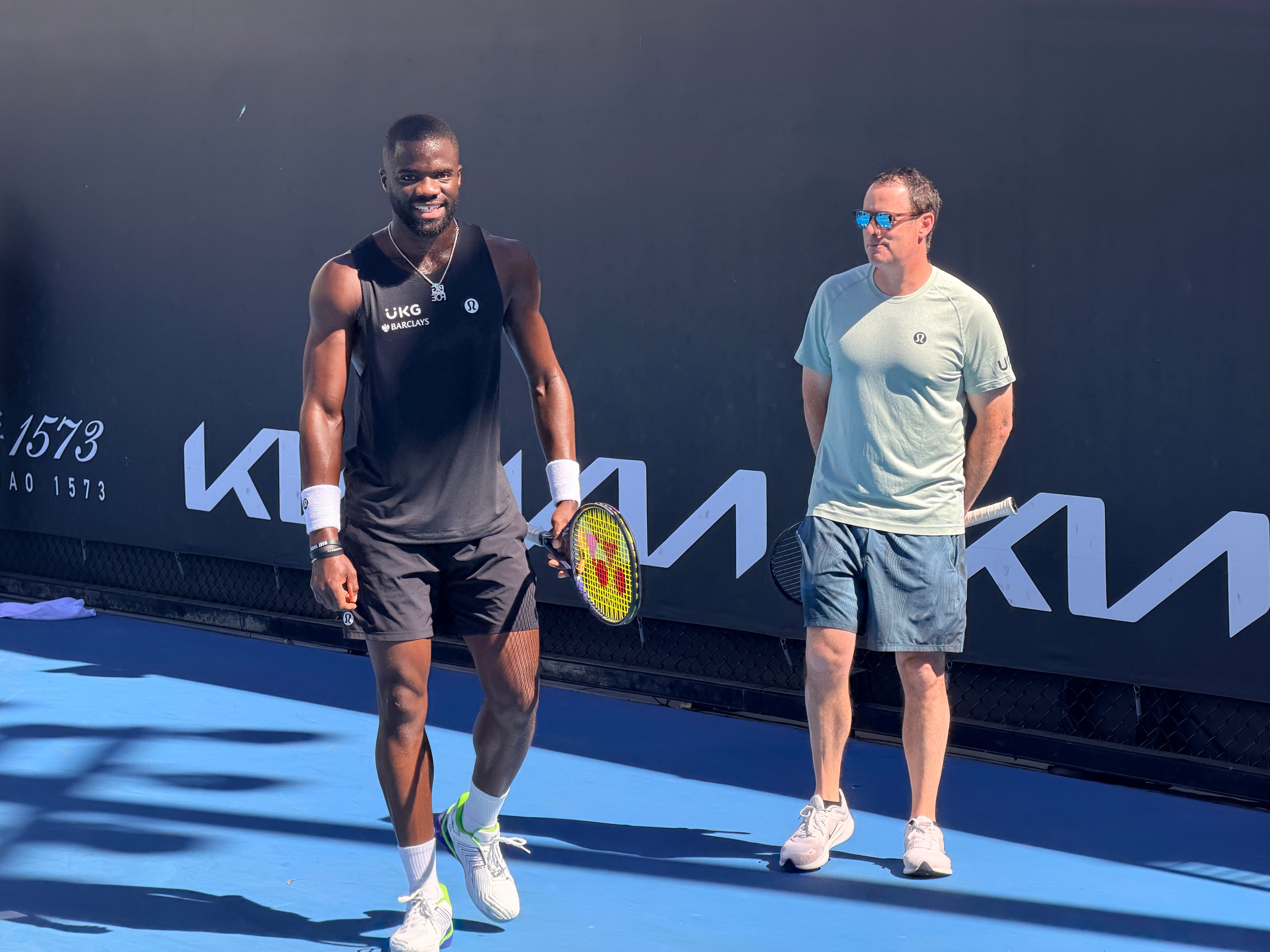
Tiafoe has brought on Dr. Mark Kovacs, best known as a performance physiologist and biomechanics researcher, to be his main coach at this Australian Open.
But technique and biomechanics, Tiafoe said, wouldn’t be Kovacs’ only areas of concern.
“I’m working on a bunch of things in my game; I think everything can get better,” Tiafoe said. “He’s great with moving as well. So yeah, I mean, he’s super knowledgeable about the game, on and off court, so I thought it was a great hire.”
Kovacs told Bounces that the hire only happened “in the last few weeks.”
“He was making some changes, and asked if I could help him,” Kovacs told Bounces. “Originally it was just really to try to help him for a week or two, reset, get him on the right track. And then he asked me if I can come to Australia and start working with him a bit more—and that’s where we’re at right now.”
Kovacs (PhD, FACSM, CTPS, MTPS, CSCS,*D, USPTA, PTR), who was an All-American tennis player at Auburn in his undergrad days, told Bounces that his approach would reflect the holistic nature of the sport.
“Doing more of the day-to-day coaching as well is obviously something that we’ve talked about a lot,” Kovacs said. “And it’s fun to have a little bit more say in some of those areas as well, because it all ties in together.”
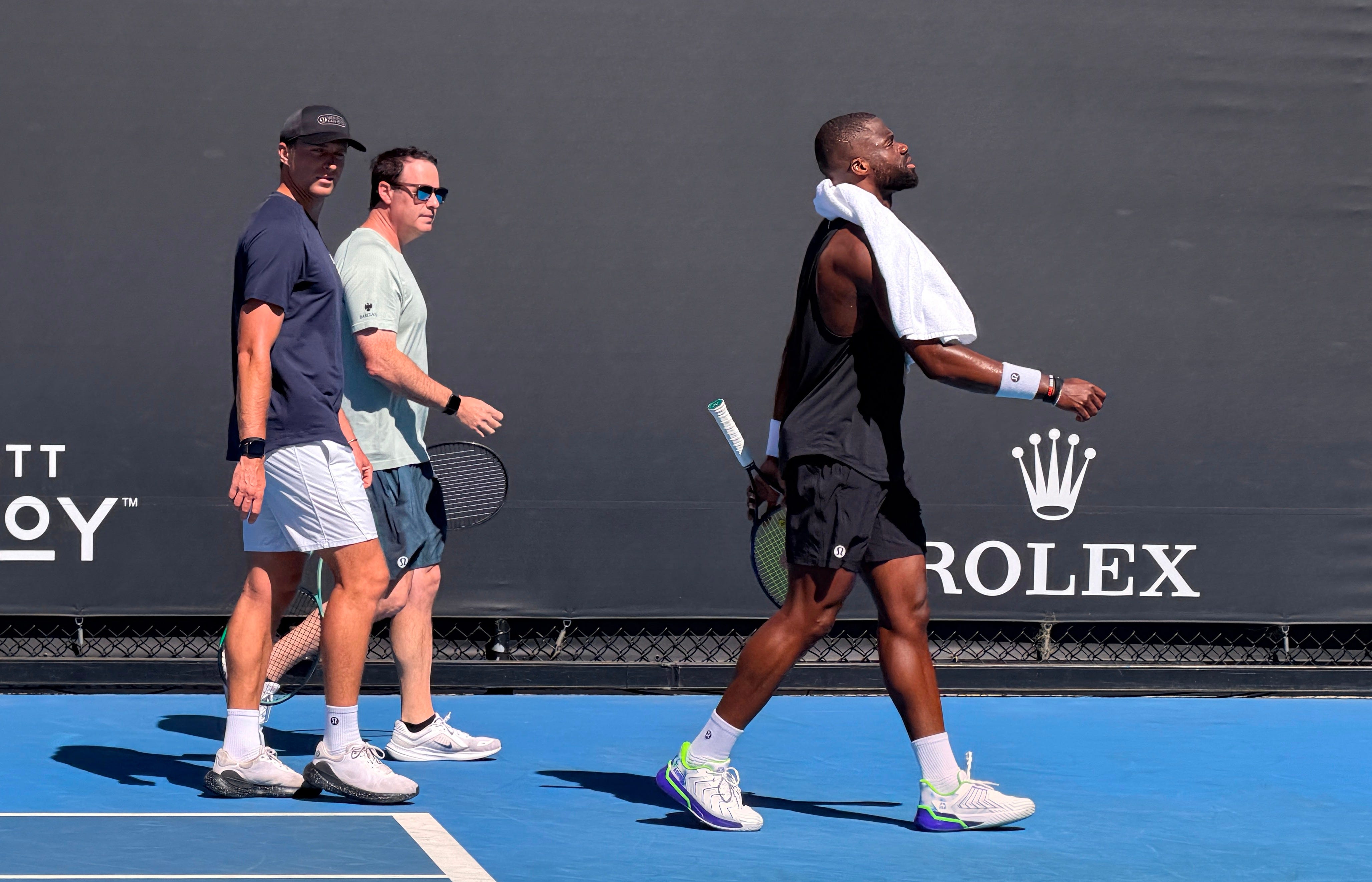
But though he understands the core movements of the sport, Kovacs said there would be no full-scale rebuild in store.
“Frances is in the middle of his career—he’s going to be 28 pretty soon, so you’re not making drastic changes,” he said. “It’s more about: how do you maximize him and his game and his ability that he has, and try to get him to be the best version of himself?”
Kovacs, who told Bounces that he has known Tiafoe since the player was only 12 years old, wanted to make sure before committing to the job that the former prodigy wouldn’t be prodigal with his talent.
“I mean, I’ve known Frances a very long time, and we had some non-negotiables that we talked about,” Kovacs said. “If I was going to help him, these things had to happen—and he’s done them. He’s been phenomenal. He’s committed to his health, his fitness. He’s improved his habits. It’s a lot of non-tennis stuff, obviously, as well. But on the on-court side, it’s just trying to make him the most aggressive version of himself and make sure that he can play as well as he can in the Slams and for the regular season.”
The detail-oriented Kovacs said those “non-negotiables” often meant that Tiafoe had to be “doing the boring stuff consistently” day-in, day-out.
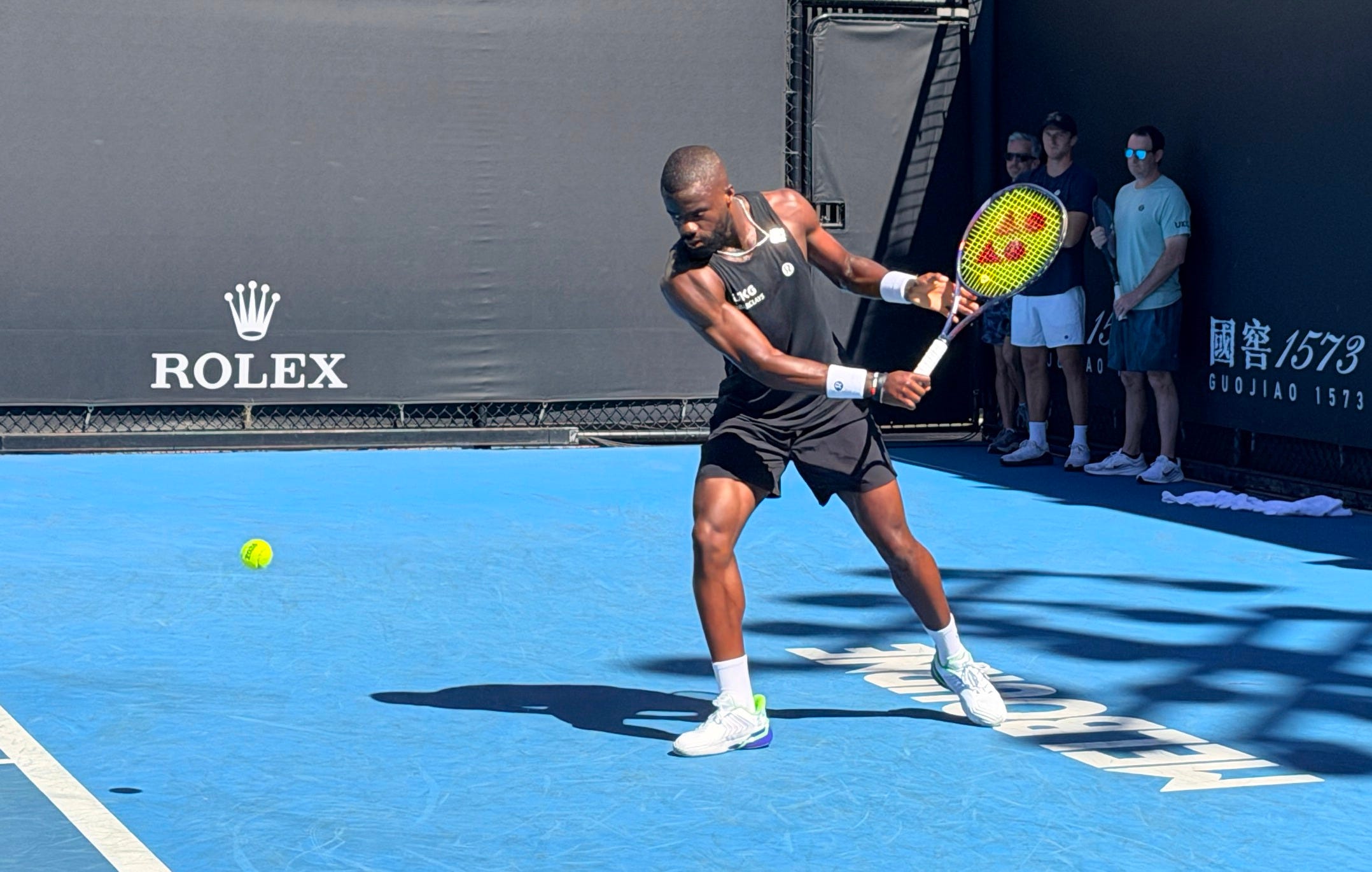
“Practice plans are something that we’re following pretty closely and he’s doing a great job with that. He’s sticking with the things that all the greats do on a daily basis that people don’t really always see. That’s something that he’s gone up and down on doing throughout his career, so that’s something we’ve been working on. And he’s done a fantastic job doing it.”
Like his player, Kovacs spoke of reducing possibilities for future frustrations.
“These careers are finite—players only have a small window to play at their best—and you want to optimize that,” Kovacs said. “That’s a lot of the discussion: how do you optimize what you have and how do you get the most out of your game, so that when you’re done with this great journey you don’t have significant regrets or concerns at the end of it?”
Views of Tiafoe from Across the American Landscape
Once I knew Tiafoe was going to be the subject of today’s Bounces dispatch, I was curious to get the thoughts of a couple of his American contemporaries.
I didn’t ask Tommy Paul, who came up in the same junior cohort, about Tiafoe directly, but instead about his own transformation. No one in my years covering tennis has flipped the switch as dramatically and lastingly as Paul: he had a hard-earned reputation as a party boy as he tried to transition from a successful junior career to the pros, most direly demonstrated when he showed up to a doubles match at the 2017 U.S. Open still drunk from the night before and got himself and his partner double bageled.
Paul told Bounces on Saturday that the rewards made the reform worthwhile.
“Once I made that decision to really be on myself and pushing myself to be very professional, it kind of got to the point where I enjoyed it, you know?” said Paul. “I want to. I hate losing; I want to win, and I know that’s what it takes to win. Everyone’s different, but for me, I need to be professional, I need to take care of my body, I need to practice, and have like a good routine. And I enjoy it because I know that it’s going to help me.”
The second American I wanted to ask about Tiafoe on Saturday was someone who in some ways is his polar opposite, albeit while clearly with a great deal of affection for him: Jessica Pegula.
Pegula spoke about Tiafoe at length, so I thought it would make more sense to embed the video to do her entire answers justice.
“It’s such a fine line with not taking away who he is and what makes him so good, and you don’t ever want to mess with that,” Pegula said of efforts to change Tiafoe. “…when I’ve seen him [and] he has a new coach or something, I’m more [thinking] ‘Gosh, I hope they don’t take away what makes him him.’ Because that’s always going to be, at the end of the day, what makes him so good.”
When I spoke to Kovacs earlier, he assured that changing Tiafoe’s nature was not on the table.
“Frances is a great human being, great person, very fun-loving—and that’s not going to change,” he said. “It’s not about changing him; it’s more [about] just doing this daily work that needs to be done. And throughout his career, he’s done it at different times, but [we’re] trying to get that to be just more consistent. And you would say the same with most players out here: they’re all trying to figure out that way to do that good-quality daily work, day-in, day-out.”
How Tiafoe Sees the Worldwide Tennis Landscape
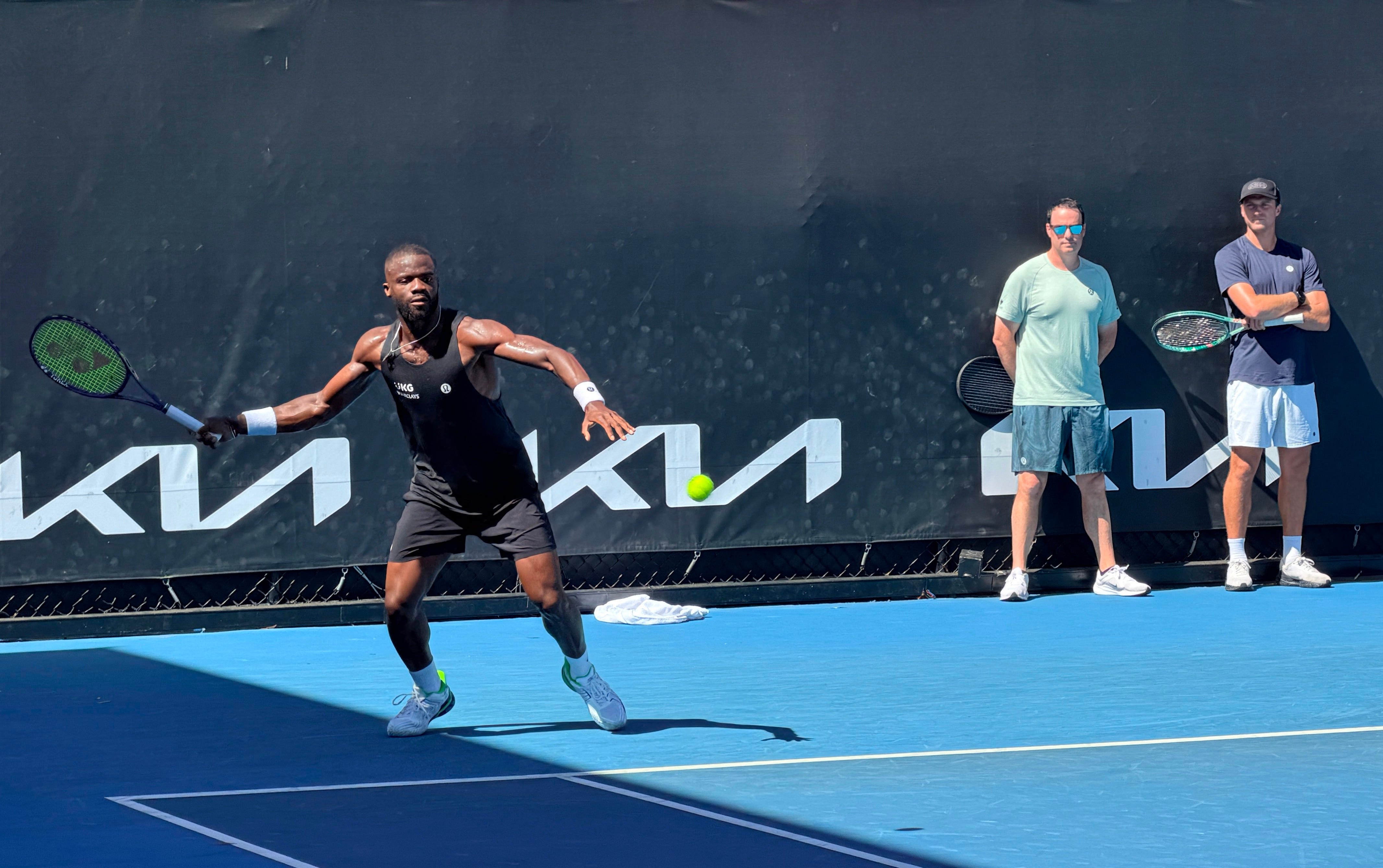
Tiafoe described this stage of his career as “the beginning of the Back 9…prime years, right?”
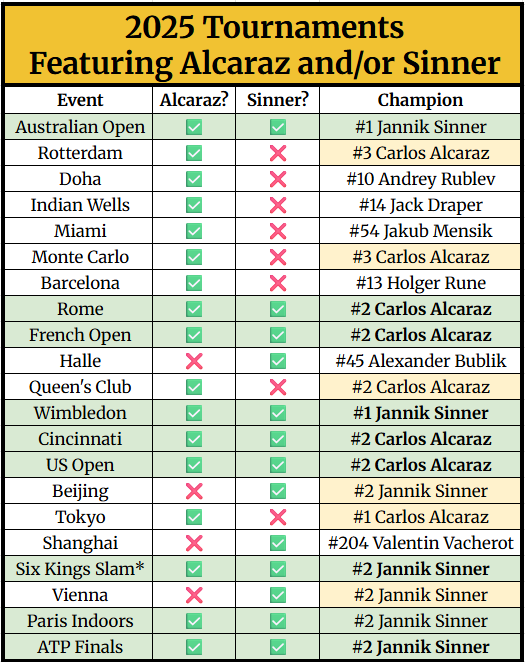
And though others discuss the Sinner-Alcaraz-Sinner duopoly as closing off possibilities, Tiafoe flipped that by emphasizing that there were only two of them.
“I don’t think the game has ever been as open as it is right now; probably the last time it’s been this open was in 2000-2004, I think,” Tiafoe said. “I mean, you’ve got two guys killing it, and everybody else is up for grabs…the top two, I mean, they’ve cemented it, and you’ve got to respect those guys and what they’ve done. Every time one doesn’t win the tournament, the other one does—that’s just factual. But everything else is totally up for grabs. If they don’t play an event, it’s totally up for grabs. It’s not far-fetched, as you saw in Shanghai.”
The mountaintop is high, but Tiafoe knows he needs to start making his climb before even further orogeny.
“These guys I want to beat to win these events are only going to get better,” Tiafoe said. “So you’ve got to just push and go for it. And I’ll never regret it. No matter what the circumstance is, and what the results may be, I’m never going to regret it But I would’ve regretted the way I was going [before], for sure.
“If it’s delayed gratification, I’m fine with that,” Tiafoe added. “But I’m not going to lie to you: when Sunday comes, I’m ready to go. I’m ready to right now. But if it is delayed gratification, that’s fine, too. But, I mean, why not now? I’m about as ready as I’m going to be.”
To read more about Sunday’s action at the Australian Open, including a PDF of the order of play and the daily Bounces look at four great matches to circle, please subscribe to Bounces! Thanks! -Ben